#carassai
CARASSAI — A VILLAGE SUSPENDED BETWEEN HISTORY AND LANDSCAPES
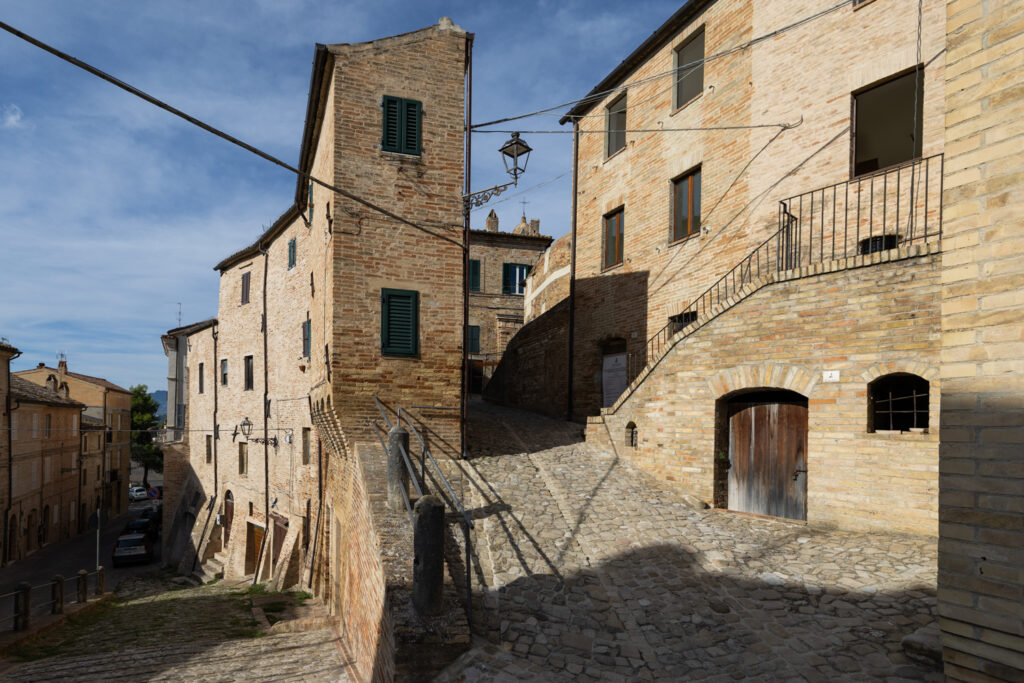
Carassai stands in a panoramic position on the ridge that separates the Aso River from the Menocchia stream, offering sweeping views from the Adriatic Sea to the Sibillini Mountains. Its origins date back to prehistoric times, as evidenced by Neolithic finds now displayed in the Municipal Antiquarium, housed inside the Town Hall. Next to it stands the Oratory Church of Santa Monica (1699), built in late Baroque–Rococo style and now home to the town’s Art Gallery, which preserves valuable works and the statue of the saint.
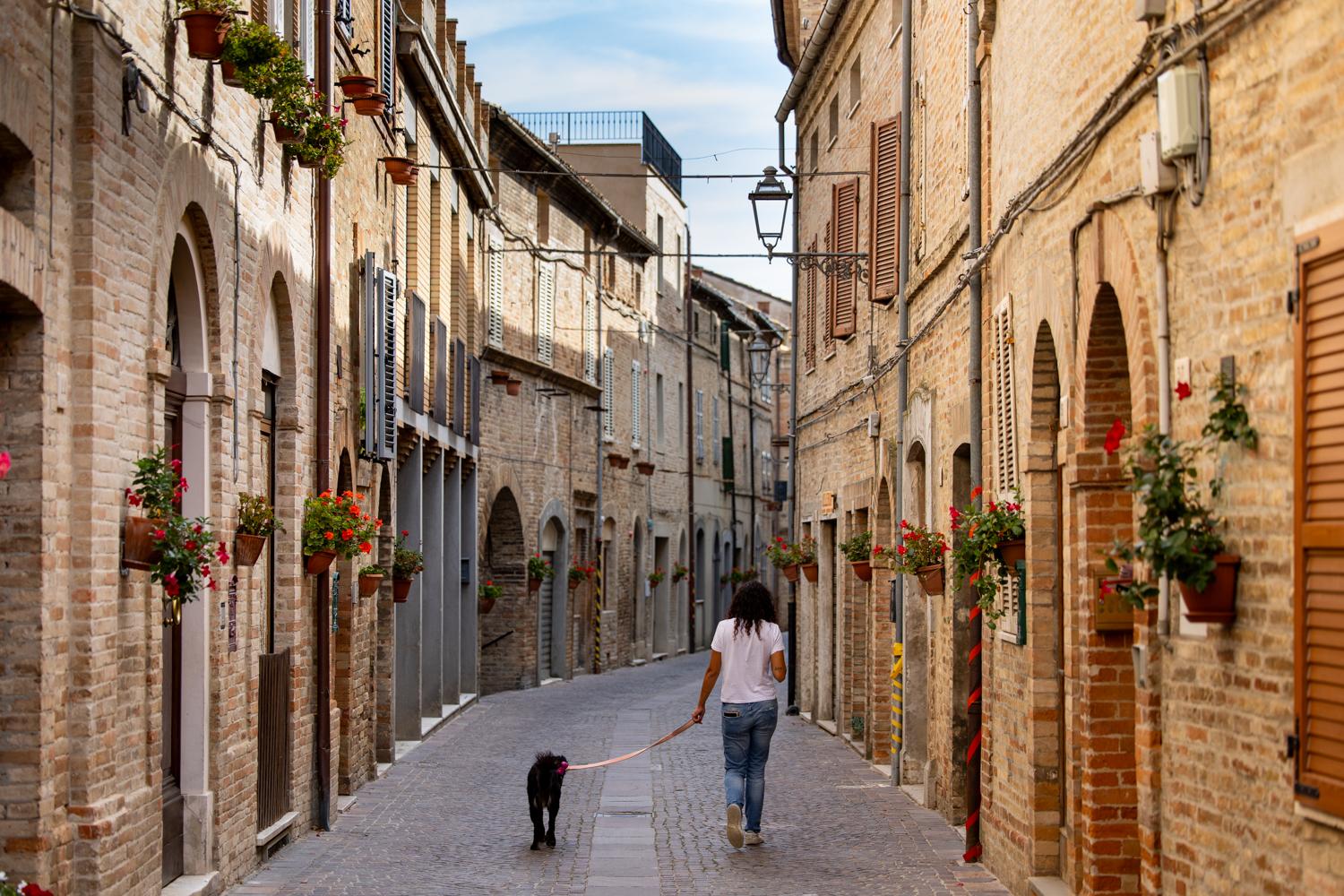
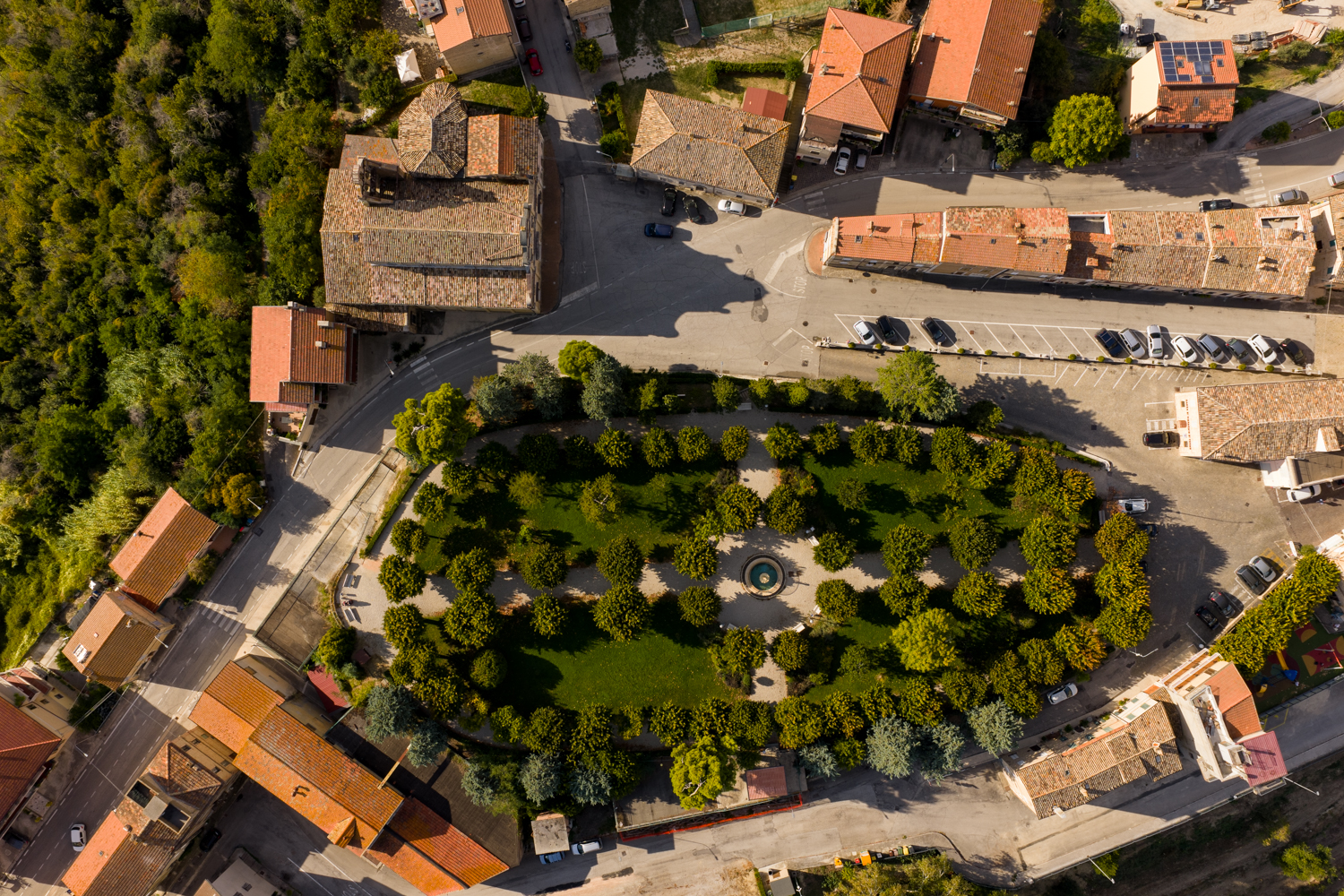
The village preserves two historic hearts: the Old Castle, with its medieval alleys, towers, and covered passages, and the New Castle, built between the 14th and 15th centuries with defensive walls, towers, and walkways. Among the religious buildings, noteworthy are the Church of Santa Maria del Buon Gesù, featuring Renaissance–Baroque elements, and the Municipal Public Washhouse (1901), an important place of collective memory.
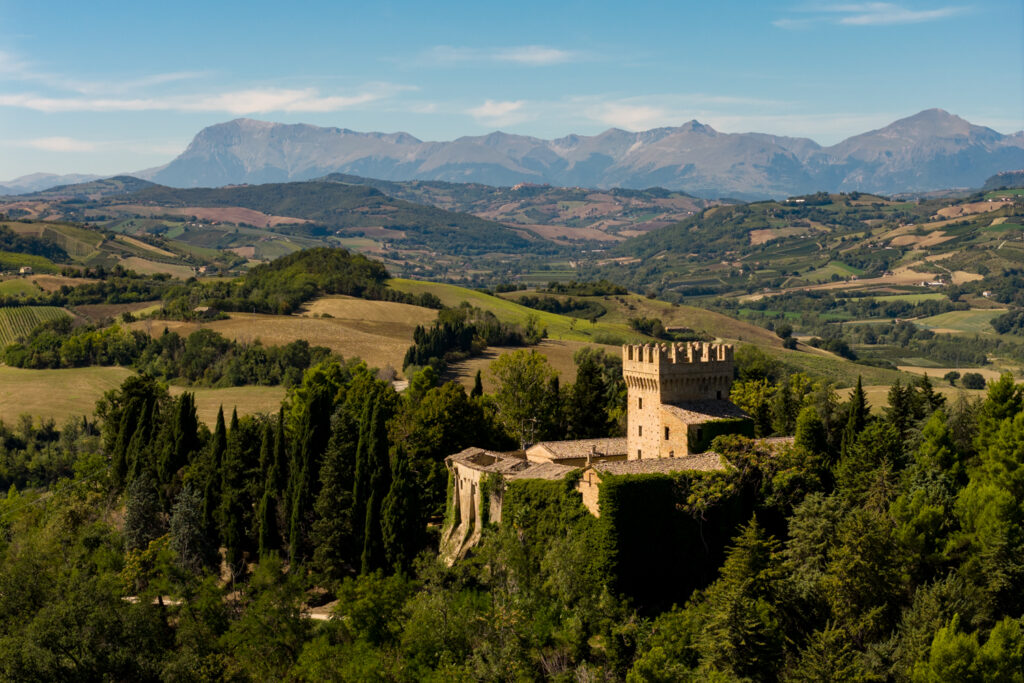
Beyond the town walls, walking and cycling routes lead through quiet countryside, roadside shrines, and fortified sites such as the Castle of Monte Varmine—one of the best-preserved in the Marche region, featuring a 35-meter crenellated tower—and spiritual places like the Romanesque Abbey of Sant’Angelo in Piano, once a Benedictine seat and a longstanding destination for pilgrims.
Carassai is a vibrant village where culture and traditions blend seamlessly with everyday life: museums, artists’ studios, artisan workshops, and local festivals all narrate its identity, while the local cuisine offers authentic flavors throughout the year. Whatever your pace—slow and contemplative or active and dynamic—you’ll find an experience that brings together landscape, history, and warm hospitality in the heart of the Marche hills.